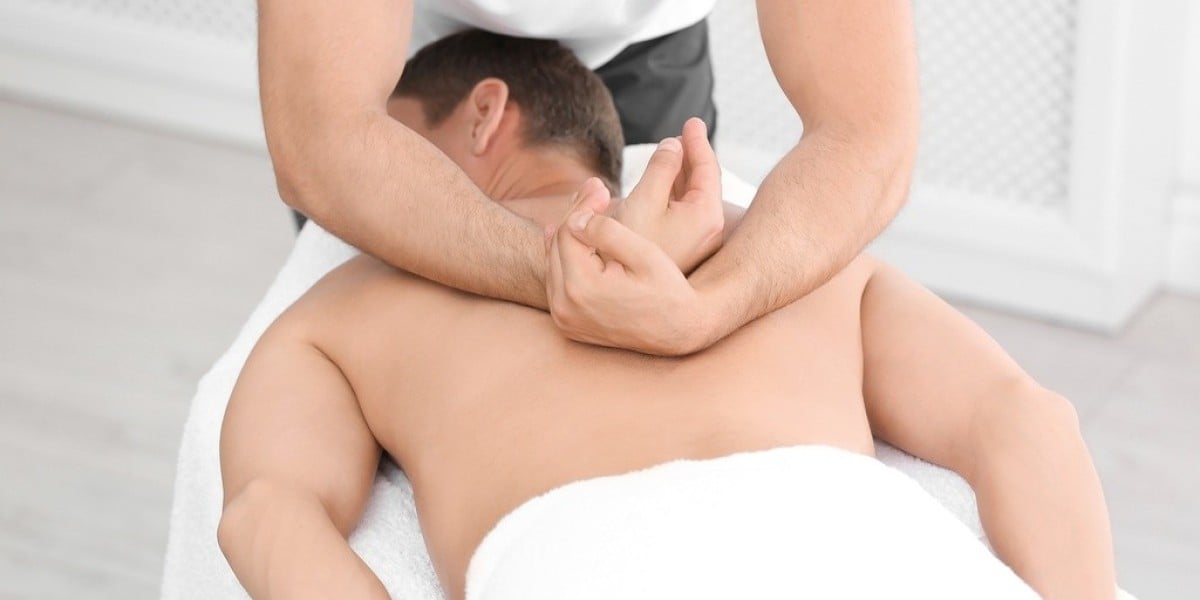
Sciatic nerve pain can be one of the most disruptive conditions, making it difficult to sit, stand, or walk without discomfort. Patients often search for non-invasive ways to ease the sharp, burning, or radiating pain caused by this condition. One option many consider is massage therapy. But does massage really help with sciatica, or is it just temporary relief? Let's look at how massage therapy works, its benefits, and its limitations.
Understanding Sciatica
Sciatica refers to irritation or compression of the sciatic nerve, which runs from the lower back down through the hips and legs. Common causes include herniated discs, spinal stenosis, and tight muscles such as the piriformis. Sharp pain radiating into the leg or dull aching in the lower back are among the symptoms. In some cases, tingling, numbness, or muscle weakness may also occur.
How Massage Therapy Helps
Massage therapy focuses on easing muscle tension and improving blood flow. For people with sciatica, this can bring relief in several ways:
- Reducing Muscle Tightness
The sciatic nerve may be subjected to additional strain from tight hip and lower back muscles. Massage helps release this tension, which may reduce nerve irritation. - Improving Circulation
More oxygen and nutrients reach the afflicted areas when there is improved blood flow. This can support healing and reduce inflammation around the nerve. - Releasing Endorphins
Massage promotes the release of endorphins, the body's natural pain relievers, helping patients feel more comfortable after a session. - Improving Mobility
By loosening tight muscles and reducing stiffness, massage can make movement less painful, supporting daily activities and exercise routines.
Types of Massage for Sciatica
Not all massage techniques are the same, and different approaches may work better depending on the root cause of sciatic pain:
- Deep Tissue Massage : Targets deep layers of muscle and connective tissue, helpful for chronic tension and tightness.
- Trigger Point Therapy : Focuses on specific knots or tight spots that may be pressing on the sciatic nerve.
- Swedish Massage : Uses long, gentle strokes to relax the body and reduce stress, which can indirectly ease pain.
- Neuromuscular Therapy : A specialized approach that addresses muscle imbalances and nerve compression.
Limitations of Massage Therapy
While massage therapy can bring noticeable relief, it may not address the underlying cause of sciatica, such as a herniated disc or spinal stenosis. For many patients, massage works best as part of a larger treatment plan that includes physical therapy, exercise, or medical interventions.
Additionally, not everyone experiences the same results. Some people find massage very effective, while others may notice only temporary improvement. It's important to work with a trained professional who understands how to treat nerve-related pain safely.
When to Seek Medical Care
Massage therapy is generally safe, but patients should see a healthcare provider if they experience:
- severe or worsening pain
- Significant numbness or weakness in the leg
- Loss of bladder or bowel control
These symptoms may signal a more serious condition that requires immediate attention.
Final Thoughts
One useful treatment for sciatic pain is massage therapy. By reducing muscle tension, improving circulation, and promoting relaxation, massage offers relief for many patients. However, it is not a cure and should be combined with other treatments for lasting results. If you are struggling with sciatica, speak with a healthcare professional about whether massage therapy is a safe and beneficial option for you.
Also Read: https://www.promoteproject.com/article/199301/best-stretches-for-sciatic-nerve-pain-relief