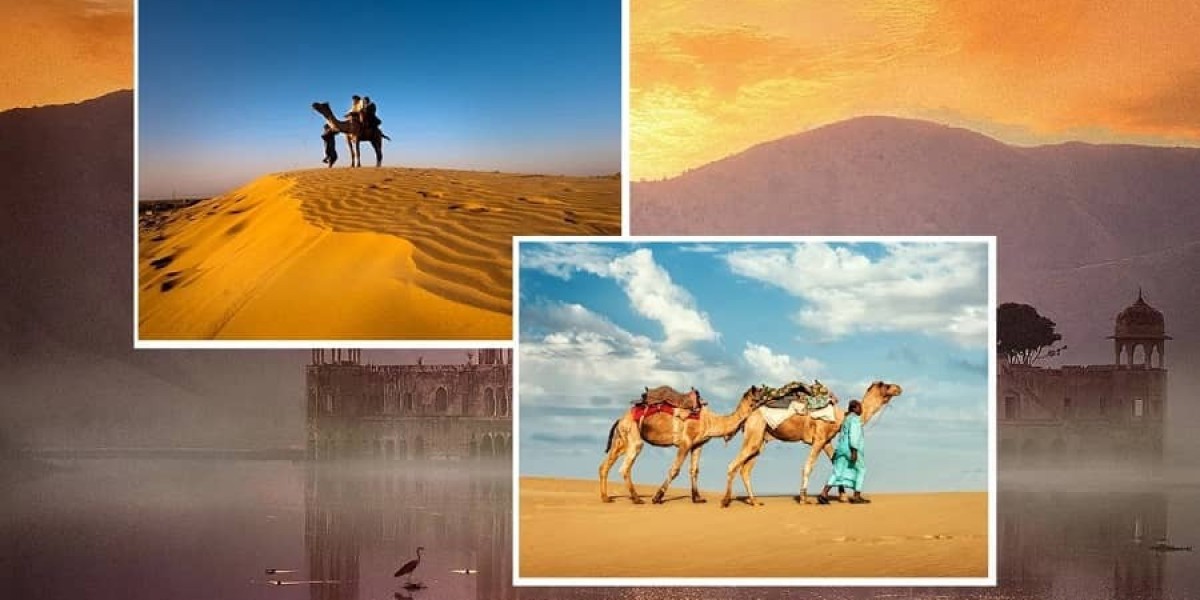

Rajasthan is a land of colors, history, and culture. It is a place where forts stand tall, palaces shine with stories, and deserts sing with the wind. Travelers from all over the world come here to see its royal charm. Among the many gems in Rajasthan, the UNESCO World Heritage Sites hold a special place. These sites tell stories of kings, warriors, artists, and builders. They show the rich past of this land and keep its culture alive.
A UNESCO World Heritage Site is a place that has great value for history, culture, or nature. UNESCO gives this title to protect and promote these places. Rajasthan has many such sites that you must see on your trip. They include grand forts, ancient observatories, and famous hills that hold deep meaning for locals.
In this blog, you will learn about the must-see UNESCO Heritage Sites in Rajasthan, why you should visit them, the best time to go, travel tips, and how to plan your tour. Let us start this journey through time and tradition.
Must-See UNESCO Heritage Sites in Rajasthan
Rajasthan is home to several UNESCO World Heritage Sites that show its rich history and beauty. Each site has a story, and each corner has a memory. Here are the main UNESCO sites you should not miss:
1. Jantar Mantar, Jaipur
Jantar Mantar is an ancient observatory built by Maharaja Sawai Jai Singh II in the early 18th century. It has huge instruments that measure time, track stars, and study the movement of planets. The most famous is the Samrat Yantra, a giant sundial. Even today, it gives accurate time. Walking inside Jantar Mantar feels like stepping into a world where science and art meet.
2. Hill Forts of Rajasthan
The Hill Forts of Rajasthan are a group of six majestic forts that show the strength and glory of Rajput kings. These forts are:
Chittorgarh Fort – The largest fort in India, known for its history of bravery and sacrifice.
Kumbhalgarh Fort – Famous for its long walls, the second-largest in the world after the Great Wall of China.
Amber Fort – Located near Jaipur, it is known for its blend of Hindu and Mughal styles.
Jaisalmer Fort – Also called the Golden Fort, it glows like gold under the sun.
Ranthambore Fort – Located inside a tiger reserve, it offers a mix of history and nature.
Gagron Fort – Surrounded by water on three sides, it is a true water fort.
Each fort has its own story, legends of battles, and breathtaking views.
3. Jaipur City (Pink City)
Jaipur, the capital of Rajasthan, is also a UNESCO World Heritage Site. It is famous for its planned layout, colorful markets, and historic architecture. The city has wide streets, royal palaces, and vibrant bazaars. Hawa Mahal, City Palace, and Albert Hall Museum add more charm to its heritage.
4. Keoladeo National Park
Keoladeo, also known as Bharatpur Bird Sanctuary, is a paradise for bird lovers. It is home to over 370 species of birds, including migratory birds from Siberia and Central Asia. During winter, you can see rare birds like the Siberian Crane. The park is also rich in plants and animals.
5. Jaisalmer Fort City
The fort city of Jaisalmer is one of the few living forts in the world. People still live and run businesses inside this golden fort. Walking through its lanes feels like stepping back in time. The fort has ancient houses, temples, and shops that make it a lively heritage site.
6. The Sacred Hill of Rajasthan – Mount Abu Wildlife Sanctuary
Though not as widely known, the Mount Abu Wildlife Sanctuary area and the famous Dilwara Temples hold heritage value recognized by UNESCO for their cultural and natural blend. The site combines the beauty of the hills with rich Jain temple carvings.
Why Visit These UNESCO Sites on Your Rajasthan Tour?
Visiting these UNESCO Heritage Sites makes your Rajasthan tour more meaningful. Here’s why you should add them to your travel list:
Rich History – Each site tells stories of bravery, art, and royal life. You will learn about kings, queens, and battles that shaped Rajasthan.
Architectural Wonders – From massive forts to delicate carvings, you will see the skill of ancient builders.
Cultural Experience – These sites reflect the traditions and festivals of Rajasthan.
World Recognition – UNESCO status means these sites have global importance. Visiting them makes you part of a bigger story.
Perfect for Photography – Every corner gives you a picture-perfect view.
Best Time to Explore Rajasthan’s UNESCO Sites
The best time to explore these sites is during the winter season, from October to March. The weather is pleasant, and you can walk around forts and cities without feeling too hot.
October–November – The start of winter with cool evenings.
December–February – Peak winter with perfect sightseeing weather.
March – Slightly warm but still comfortable for travel.
Avoid the summer months (April–June) as temperatures can cross 45°C. Monsoon (July–September) brings greenery but also heavy rain in some parts.
Travel Tips for UNESCO Heritage Tours in Rajasthan
A little planning can make your Rajasthan heritage tour smooth and enjoyable. Here are some travel tips:
Wear Comfortable Shoes – Many forts have large areas to walk and climb.
Carry Water and Snacks – Some sites are far from main towns.
Hire a Local Guide – Guides share stories that you may not find in books.
Start Early in the Day – It helps you avoid crowds and heat.
Respect Local Customs – Dress modestly, especially in temples.
Take Enough Time – Do not rush; explore each corner slowly.
Carry a Camera – Capture the beautiful moments but also spend time watching with your eyes.
How to Plan a Rajasthan UNESCO Heritage Tour
Planning your heritage tour is easy if you follow a few steps:
1. Choose Your Sites
List the UNESCO sites you want to see. If you have a week, you can cover Jaipur, Amber Fort, Jantar Mantar, and Keoladeo. For a longer trip, add Jaisalmer, Chittorgarh, and Kumbhalgarh.
2. Decide Your Route
Most travelers start from Jaipur or Delhi. Jaipur connects well with other cities by road, rail, and air. You can plan a circuit like Jaipur → Jodhpur → Jaisalmer → Udaipur → Chittorgarh → Kumbhalgarh.
3. Book Accommodation
Choose heritage hotels for a royal feel or simple stays for a budget trip. Book early during peak season.
4. Hire a Reliable Travel Agency
A good travel agency helps you with transport, guides, and tickets. They save time and give you comfort.
5. Plan Your Time
Keep at least half a day for each major fort. Some forts like Chittorgarh and Kumbhalgarh need more time.
6. Mix Culture with Fun
Along with forts, enjoy local food, folk dances, and shopping.
Nearby Attractions to Pair with These Sites
You can make your tour richer by adding nearby attractions:
Near Jaipur – Hawa Mahal, City Palace, Nahargarh Fort, Jal Mahal.
Near Jaisalmer Fort – Sam Sand Dunes for a desert safari.
Near Chittorgarh Fort – Bassi Wildlife Sanctuary.
Near Kumbhalgarh – Ranakpur Jain Temple.
Near Keoladeo Park – Fatehpur Sikri (Uttar Pradesh).
Near Amber Fort – Jaigarh Fort and the local handicraft markets.
Conclusion
A Rajasthan tour is incomplete without visiting its UNESCO Heritage Sites. These places hold the heart of Rajasthan’s history and culture. From the golden sands of Jaisalmer to the giant walls of Kumbhalgarh, from the busy streets of Jaipur to the calm paths of Keoladeo, every site has a story to tell.
Plan your trip during the winter months for the best experience. Wear light clothes, carry your camera, and walk with curiosity. Hire a guide when needed and listen to the tales they share. Pair your heritage tour with nearby attractions, taste local food, and shop for handicrafts.
These UNESCO sites are not just places on a map. They are living memories of a royal past. They show how Rajasthan stood strong and proud for centuries. So, pack your bags and take a step into history. Rajasthan is waiting for you.