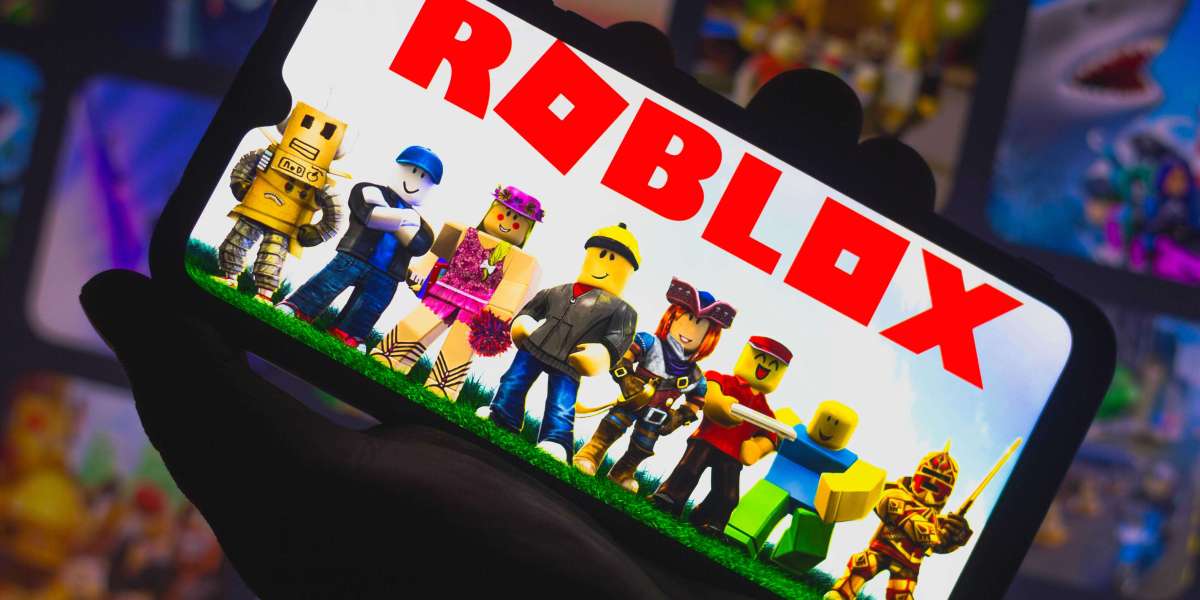

Game Development: One of the most obvious ways the online gaming industry creates jobs is through game development. Game development studios, ranging from small independent developers to large multinational companies, employ a wide range of professionals, including programmers, artists, designers, writers, and producers, to create engaging and immersive gaming experiences. These professionals work together to design gameplay mechanics, create artwork and graphics, develop game engines, write code, and ensure the overall quality and polish of the final product. The demand for skilled game developers continues to grow as the industry expands and new technologies emerge.
Esports: Esports, or competitive gaming, has emerged as a major industry within the broader online gaming ecosystem, creating a wide range of job opportunities. Esports organizations, teams, and leagues hire professionals in various roles, including players, coaches, analysts, commentators, event organizers, and marketing specialists. These professionals contribute to the growth and success of esports by competing in tournaments, organizing events, creating content, and engaging with fans. The rise of esports has also led to the development of ancillary industries, such as esports journalism, talent agencies, and merchandise sales, further expanding job opportunities in the gaming sector.
Streaming and Content Creation: With the advent of platforms like Twitch, YouTube Gaming, and Facebook Gaming, streaming and content creation have become lucrative career paths within the online gaming industry. Streamers and content creators entertain and engage audiences by broadcasting live gameplay, hosting talk shows, creating video tutorials, and producing other gaming-related content. Many streamers monetize their channels through advertising, subscriptions, donations, and sponsorships, enabling them to turn their passion for gaming into a full-time profession. In addition to individual content creators, gaming organizations and media companies also employ professionals in roles such as producers, editors, and social media managers to create and distribute gaming content across various platforms.
Marketing and Community Management: Like any other consumer product, online games require effective marketing and community management to attract players and build a loyal fan base. Game publishers and developers employ marketing professionals, community managers, and social media specialists to promote their games, engage with players, and foster positive relationships within the gaming community. These professionals leverage digital marketing channels, social media platforms, influencer partnerships, and community events to raise awareness about new releases, drive user acquisition, and maintain player engagement over time.
Customer Support and Technical Services: Providing excellent customer support and technical services is essential for ensuring a positive gaming experience and retaining players. Game companies hire customer support representatives, technical support specialists, and quality assurance testers to assist players with issues such as account management, billing inquiries, technical troubleshooting, and bug reporting. These professionals play a critical role in addressing player concerns, resolving problems promptly, and maintaining high levels of player satisfaction.
Economic Impact: Beyond direct employment opportunities, the online gaming industry also creates jobs indirectly through its economic impact on related industries and sectors. For example, the growth of online gaming has led to increased demand for hardware such as gaming consoles, PCs, and peripherals, as well as software and services such as game engines, middleware, and cloud computing. Additionally, the industry supports jobs in areas such as retail, logistics, event planning, hospitality, and tourism through events such as gaming conventions, tournaments, and esports competitions.
In conclusion, the online gaming industry is a significant contributor to job creation, offering a wide range of employment opportunities in game development, esports, streaming, marketing, customer support, and other related fields. As the industry continues to grow and evolve, it will likely generate even more jobs and economic opportunities, further cementing its status as a major driver of global employment and economic growth.