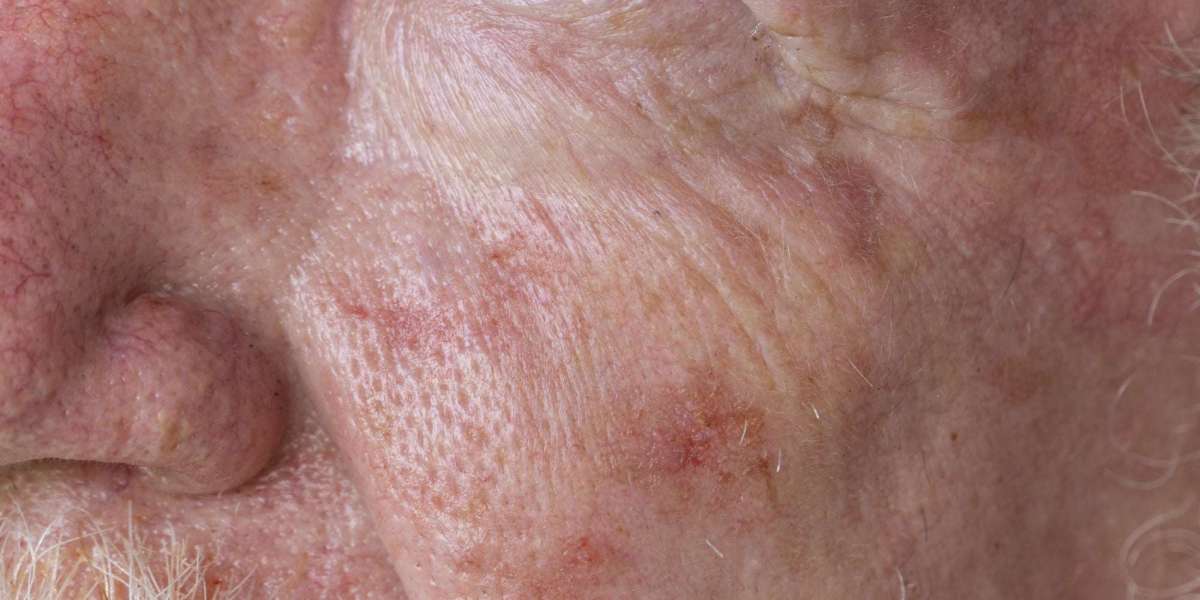


Actinic keratosis, commonly known as AK, is a skin condition caused by prolonged exposure to ultraviolet (UV) rays, typically from the sun. It manifests as rough, scaly patches on the skin, often on areas that are frequently exposed to sunlight, such as the face, ears, neck, scalp, arms, and hands. While actinic keratosis is considered precancerous, it can develop into squamous cell carcinoma if left untreated, making early detection and intervention crucial.
The Rise of Advanced Laser Therapies
In recent years, the field of dermatology has witnessed significant advancements in the treatment of actinic keratosis, with laser therapies emerging as a safe, effective, and minimally invasive option for patients. Actinic Keratosis Treatment in Dubai target the affected areas with precision, selectively removing damaged skin cells while minimizing harm to surrounding tissues. This targeted approach not only ensures better outcomes but also reduces the risk of scarring and other adverse effects commonly associated with traditional treatment methods.
Types of Laser Therapies
1. CO2 Laser Therapy
CO2 laser therapy utilizes a carbon dioxide laser to precisely remove layers of damaged skin affected by actinic keratosis. This type of laser therapy is particularly effective for treating widespread or thick patches of AK, as it can penetrate deeper into the skin than other laser modalities.
2. Fractional Laser Therapy
Fractional laser therapy works by delivering thousands of tiny, evenly spaced laser beams to the skin, targeting only a fraction of the affected area in each session. This stimulates the skin's natural healing process, promoting the growth of new, healthy skin cells while minimizing downtime and discomfort for the patient.
3. Pulsed Dye Laser Therapy
Pulsed dye laser therapy utilizes a concentrated beam of yellow light to target blood vessels beneath the skin's surface, reducing redness and inflammation associated with actinic keratosis. This type of laser therapy is often used in combination with other modalities to achieve optimal results.
Benefits of Laser Therapy for Actinic Keratosis
- Precision: Laser therapies precisely target the affected areas, minimizing damage to healthy surrounding tissue.
- Effectiveness: Studies have shown laser therapy to be highly effective in treating actinic keratosis, with high clearance rates and low recurrence rates.
- Minimally Invasive: Unlike surgical procedures, laser therapy is minimally invasive and typically requires little to no downtime for recovery.
- Versatility: Laser therapies can be tailored to the individual needs of each patient, allowing dermatologists to customize treatment plans for optimal results.
Choosing the Right Provider in Dubai
When considering laser therapy for actinic keratosis in Dubai, it's essential to choose a reputable provider with extensive experience in dermatological laser treatments. Look for clinics or practices that specialize in skin health and offer a range of advanced laser therapies for various skin conditions, including actinic keratosis. Additionally, ensure that the provider utilizes state-of-the-art technology and follows strict safety protocols to ensure the best possible outcomes for patients.
In conclusion, advanced laser therapies have revolutionized the treatment of actinic keratosis, offering patients in Dubai a safe, effective, and minimally invasive option for managing this common skin condition. By understanding the benefits of laser therapy and choosing the right provider, individuals can take proactive steps towards healthier, clearer skin and reduce their risk of developing skin cancer.
Read more About: