A facelift in Riyadh(شد الوجه في الرياض) is a popular cosmetic procedure designed to rejuvenate the face and restore a youthful appearance. While the benefits of a facelift are undeniable, the recovery process can be challenging. One of the key concerns during recovery is managing pain and discomfort. Understanding how to effectively manage pain post-facelift can make the healing process smoother, more comfortable, and ensure optimal results. This guide provides essential tips for managing pain after your facelift in Riyadh, along with advice on how to care for yourself during recovery.
What to Expect After a Facelift in Riyadh
Immediately after your facelift in Riyadh, it's normal to experience some discomfort, swelling, bruising, and tightness in the face. These side effects are temporary and part of the body's natural healing process. However, it's essential to manage them effectively to ensure a smooth recovery. Most patients report mild to moderate pain during the first few days after surgery. By understanding what to expect, you can better prepare yourself for the recovery period.
Initial Pain and Discomfort
The initial pain after a facelift is often described as a feeling of tightness or pressure around the face. This sensation is due to the tightening of the skin and muscles during the procedure. It is common for patients to feel some discomfort around the incision sites as well, especially as the anesthesia wears off. You may also notice swelling and bruising, which contribute to the feeling of discomfort. These effects are typically most noticeable in the first 48 to 72 hours following surgery.
Swelling and Bruising
Swelling and bruising are common after a facelift in Riyadh, and they can sometimes exacerbate the feeling of pain. The swelling may last for several days, with the peak occurring around 48 hours post-surgery. Bruising usually reaches its peak around the third day, but it gradually fades within two weeks. While these symptoms are uncomfortable, they are part of the normal healing process and can be managed effectively with proper care.
Managing Pain After a Facelift in Riyadh
Effective pain management is crucial for a successful recovery after a facelift in Riyadh. Pain medications and home remedies can help alleviate discomfort and promote a smoother recovery. Below are some key strategies to manage pain during the healing process.
1. Prescription Pain Medications
After your facelift in Riyadh, your surgeon will likely prescribe pain medications to help manage discomfort. These medications are typically strong enough to control moderate pain and should be taken as directed. While prescription medications can provide significant relief, they can also cause side effects like drowsiness and nausea. It’s important to follow your surgeon’s instructions closely and only take the prescribed dosage.
2. Over-the-Counter Pain Relief
In addition to prescription medications, over-the-counter (OTC) pain relievers like ibuprofen or acetaminophen can help manage pain and inflammation. OTC pain relief options can be used in conjunction with prescription medications, but only after consulting with your surgeon. Be sure to avoid blood-thinning medications, such as aspirin, as they can increase the risk of bleeding post-surgery.
3. Cold Compresses for Swelling
Cold compresses are one of the most effective ways to reduce swelling and manage pain after a facelift in Riyadh. Applying ice packs or cold compresses to the affected areas can help constrict blood vessels, which reduces swelling and minimizes discomfort. For best results, wrap the ice in a clean cloth to avoid direct contact with the skin and apply the compress for 15 to 20 minutes at a time. Repeat this process several times throughout the day during the first 48 hours of recovery.
4. Keeping Your Head Elevated
One of the simplest yet most effective ways to reduce pain and swelling after a facelift is by keeping your head elevated. This position helps prevent excess fluid from accumulating in the facial area, which can exacerbate swelling and increase discomfort. Try to sleep with your head propped up on pillows for the first few days after surgery. Keeping your head elevated while sitting or resting during the day is also beneficial for pain management.
5. Gentle Facial Massage
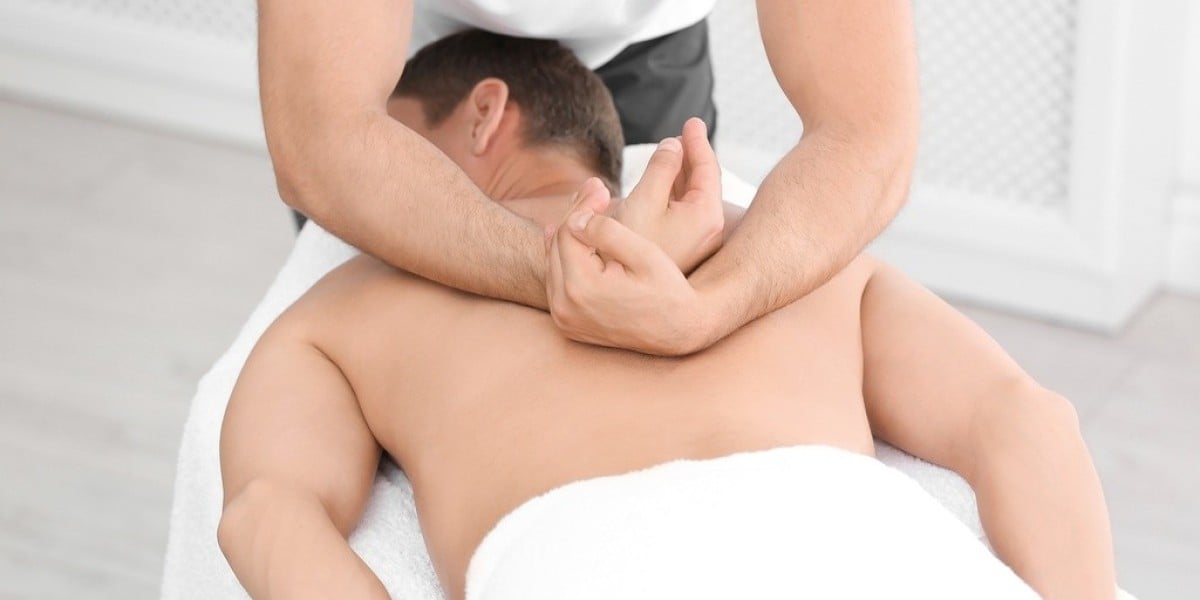
Once your surgeon clears you to do so, gentle facial massage can help alleviate some of the tightness and discomfort associated with a facelift. Lightly massaging the areas around the incisions can increase circulation, reduce swelling, and help the skin adjust to its new position. Be sure to follow your surgeon’s guidelines regarding when it’s safe to begin massaging and how to do so correctly.
Post-Surgery Self-Care Tips to Minimize Pain
While managing pain with medications and physical remedies is essential, proper self-care also plays a vital role in minimizing discomfort and ensuring a successful recovery. Here are some additional tips to keep in mind after your facelift in Riyadh.
1. Follow Post-Operative Instructions
Your surgeon will provide detailed post-operative care instructions to ensure a smooth recovery. These guidelines may include specific instructions on how to clean your incisions, when to remove bandages, and when to resume normal activities. Following these instructions carefully will help reduce the risk of complications and minimize pain during the recovery period.
2. Avoid Strenuous Activity
In the days and weeks following your facelift in Riyadh, it’s important to avoid strenuous activities that could strain your face or increase blood flow to the area. Activities such as heavy lifting, vigorous exercise, or bending over can cause discomfort and prolong the healing process. Stick to light, non-strenuous activities as you recover, and gradually ease back into your regular routine once you’ve received clearance from your surgeon.
3. Stay Hydrated and Eat Nutritious Foods
Proper nutrition and hydration are essential for healing after any surgery, including a facelift. Drinking plenty of water helps reduce swelling and supports your body’s natural healing processes. Eating a balanced diet rich in vitamins and minerals will also help your body recover faster and manage pain more effectively. Focus on consuming nutrient-dense foods like fruits, vegetables, lean proteins, and whole grains.
4. Rest and Relaxation
Rest is an essential part of your recovery process after a facelift in Riyadh. Your body needs time to heal, and this can only happen when you give it the opportunity to rest. Take time to relax, get plenty of sleep, and avoid stressors that could hinder your recovery. A well-rested body will recover more efficiently, helping you manage pain and discomfort during the healing process.
When to Contact Your Surgeon About Pain After a Facelift in Riyadh
While some pain and discomfort are normal following a facelift in Riyadh, it’s important to know when to contact your surgeon. If you experience severe pain that doesn’t subside with medication, or if you notice excessive swelling, redness, or signs of infection, you should reach out to your surgeon immediately. These could be signs of complications that require medical attention. Always trust your instincts, and if something feels off, don’t hesitate to seek help.
Conclusion
Managing pain post-facelift in Riyadh is a crucial part of the recovery process. By following proper care instructions, taking prescribed pain medications, using cold compresses, and adopting a head-elevated position, you can reduce discomfort and promote faster healing. Remember that your recovery experience will be unique, and it’s important to listen to your body and consult your surgeon if you have any concerns. By managing pain effectively, you can enjoy the full benefits of your facelift in Riyadh and reveal a more youthful, refreshed appearance.