
Introduction
Non-surgical body contouring treatments have gained popularity in recent years as alternatives to invasive surgical procedures like liposuction. These treatments offer individuals the opportunity to sculpt their bodies without undergoing surgery, anesthesia, or prolonged downtime. While they present numerous advantages, it's essential to consider their limitations and potential drawbacks. In this article, we'll explore the pros and cons of non-surgical body contouring treatments in detail.
Pros of Non-Surgical Body Contouring
No Surgery or Downtime
One of the most significant advantages of non-surgical body contouring is that it doesn't require surgery. Procedures like CoolSculpting and SculpSure utilize advanced technologies to target and eliminate stubborn fat cells without incisions or anesthesia. As a result, patients can undergo treatment during their lunch breaks and resume their daily activities immediately afterward, without the need for extensive recovery time.
Minimal Discomfort and Side Effects
Unlike traditional surgical procedures, non-surgical body contouring treatments are generally well-tolerated and associated with minimal discomfort. Patients may experience sensations of pulling, tingling, or coldness during the procedure, but these sensations typically subside quickly. Additionally, side effects such as swelling, bruising, and redness are usually mild and temporary, allowing individuals to return to their normal routines with minimal disruption.
Targeted Fat Reduction
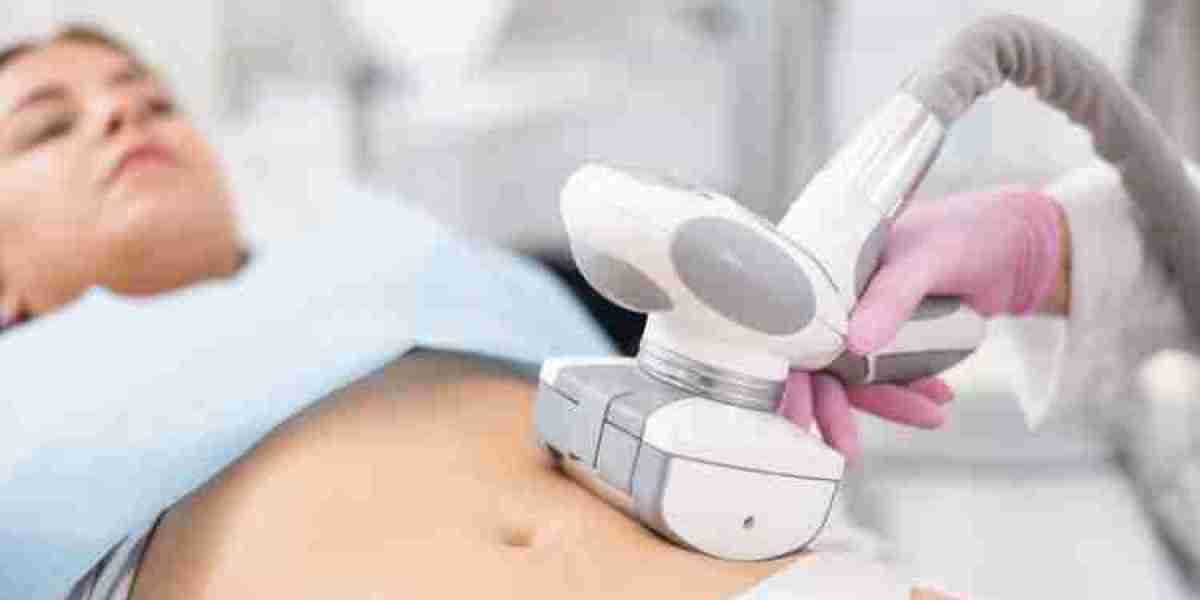
Non-surgical Body Contouring Treatment in Dubai techniques are designed to selectively target and eliminate fat cells from specific areas of the body, such as the abdomen, thighs, or love handles. By delivering controlled cooling or laser energy to the treatment area, these procedures can reduce stubborn pockets of fat that are resistant to diet and exercise. This targeted approach allows for precise sculpting and contouring, resulting in a more sculpted and defined appearance.
Short Treatment Sessions
Another advantage of non-surgical body contouring treatments is their efficiency and convenience. Most procedures can be completed in a single session lasting between 30 minutes to an hour, depending on the size and number of areas being treated. This makes it easy for busy individuals to incorporate treatment into their schedules without the need for extended time off from work or other commitments.
Cons of Non-Surgical Body Contouring
Limited Effectiveness for Significant Fat Reduction
While non-surgical body contouring treatments can produce noticeable improvements in body shape and contour, they may not be suitable for individuals seeking significant fat reduction or weight loss. These procedures are best suited for individuals who are already close to their target weight and have isolated areas of stubborn fat that are resistant to diet and exercise. Patients with larger volumes of fat may not achieve their desired results with non-surgical methods alone and may require alternative treatments such as liposuction.
Multiple Sessions Required for Optimal Results
Achieving optimal results with non surgical body contouring often requires multiple treatment sessions spaced several weeks apart. While some improvement may be visible after a single session, significant fat reduction and contouring typically occur over the course of several treatments. This can extend the overall duration of treatment and may require patients to commit to multiple appointments to achieve their desired outcome.
Potential for Uneven Results
Although non-surgical body contouring treatments are designed to produce smooth and uniform results, there is a risk of unevenness or irregularity in some cases. Factors such as differences in tissue thickness, skin laxity, and individual response to treatment can contribute to variations in results between treated areas. While these differences are often subtle and may not be noticeable to the naked eye, they can affect overall satisfaction with the outcome of treatment.
Cost Considerations
While non-surgical body contouring treatments are generally more affordable than surgical procedures like liposuction, they can still represent a significant financial investment for some individuals. The cost of treatment varies depending on factors such as the type of procedure, the number of areas being treated, and the geographic location of the practice. Additionally, because these treatments are considered cosmetic in nature, they are typically not covered by health insurance, meaning that patients are responsible for covering the full cost out of pocket.
Conclusion
Non-surgical body contouring treatments offer a non-invasive and convenient solution for individuals looking to sculpt their bodies and improve their overall appearance. With minimal discomfort and downtime, these procedures can effectively target stubborn fat and enhance body contours, providing noticeable results without the need for surgery. However, it's important for patients to understand the limitations and potential drawbacks of these treatments, including their limited effectiveness for significant fat reduction, the need for multiple sessions, and the possibility of uneven results. By weighing the pros and cons carefully and consulting with a qualified provider, individuals can make informed decisions about whether non-surgical body contouring is the right option for them.