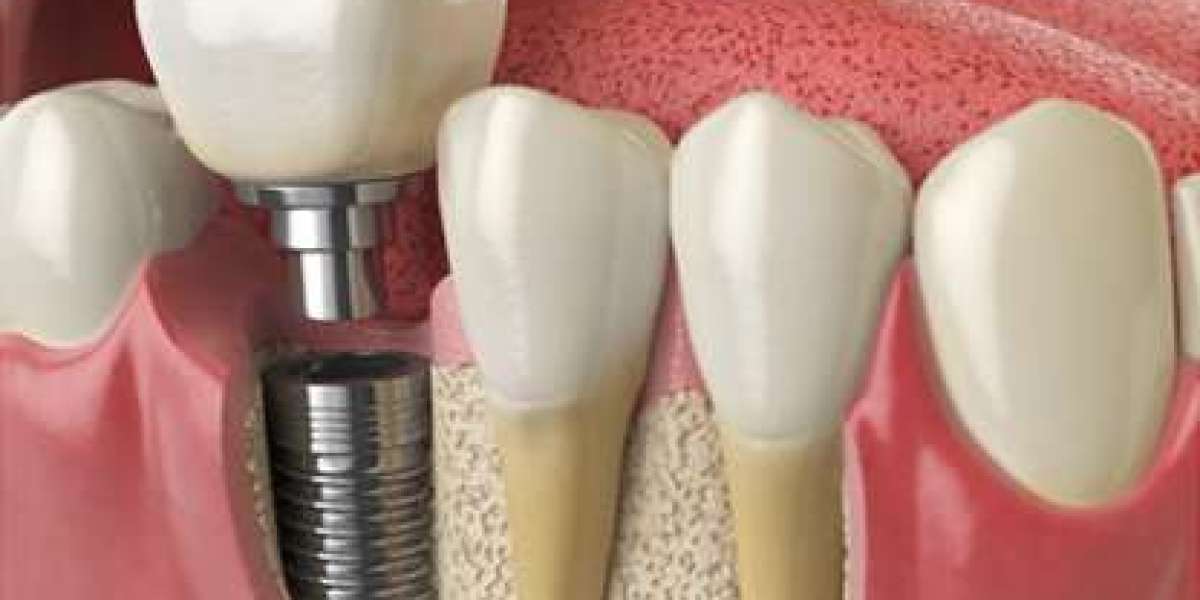

Zirconia Implant In Dubai technology has rapidly gained popularity in recent years as a viable alternative to traditional titanium implants. With its biocompatibility, durability, and aesthetic advantages, zirconia implants have become a significant player in the field of dental implantology. As technology continues to advance, several emerging trends are shaping the future of zirconia implant technology.
One of the key trends in zirconia implant technology is the focus on improved material composition. Researchers and manufacturers are constantly working on enhancing the mechanical properties of zirconia to ensure optimal strength and longevity. Recent developments involve the incorporation of nanostructured materials, which aim to enhance the osseointegration process and reduce the risk of fractures. These advancements contribute to the overall success and reliability of zirconia implants, making them more appealing to both patients and clinicians.
Another notable trend is the customization of zirconia implants using digital technologies. Computer-aided design (CAD) and computer-aided manufacturing (CAM) have revolutionized the field of dentistry, allowing for precise and personalized implant solutions. Clinicians can now use digital scans and imaging to create virtual models of a patient's anatomy, enabling the design of custom-fit zirconia implants. This level of customization not only improves the overall aesthetics of the restoration but also enhances the functional aspects, leading to better patient outcomes.
Zirconia implants are also benefiting from advancements in surface modification techniques. Researchers are exploring innovative methods to enhance the surface properties of zirconia, aiming to improve osseointegration and reduce the risk of peri-implantitis. Surface modifications such as microtexturing and bioactive coatings are being investigated to create an environment that promotes faster and more predictable bone healing around the implant. These modifications not only improve the biological response but also contribute to the long-term stability of zirconia implants.
The integration of digital technologies extends beyond the design phase to the actual placement of zirconia implants. Computer-guided implant surgery is gaining popularity as a precise and minimally invasive approach. By combining digital planning with real-time navigation during surgery, clinicians can achieve greater accuracy in implant placement, ultimately leading to improved clinical outcomes. This trend not only enhances the efficiency of the implantation process but also reduces postoperative complications and shortens the overall recovery time for patients.
Aesthetic considerations play a crucial role in the success of dental implant treatments, and zirconia implants are at the forefront of meeting these demands. The material's tooth-like translucency and lack of metal substructure contribute to a more natural appearance, making zirconia implants a preferred choice in the anterior region. As patient expectations continue to rise, the aesthetic advantages of zirconia implants are likely to drive further innovation in design and material science.
In conclusion, the field of zirconia implant technology is witnessing exciting and transformative developments. From improved material composition to personalized implant solutions and advanced surface modifications, the emerging trends are poised to enhance the overall performance and acceptance of zirconia implants in the dental implantology landscape. As technology continues to evolve, the future holds great promise for zirconia implants, offering patients and clinicians innovative solutions for tooth replacement with improved aesthetics and functionality.